The Weeks and Hours Before Surgery
Preparing for Your Anaesthetic
Some of the things that most affect how well an anaesthetic goes are decided in the weeks before you come into hospital, not on the day itself.
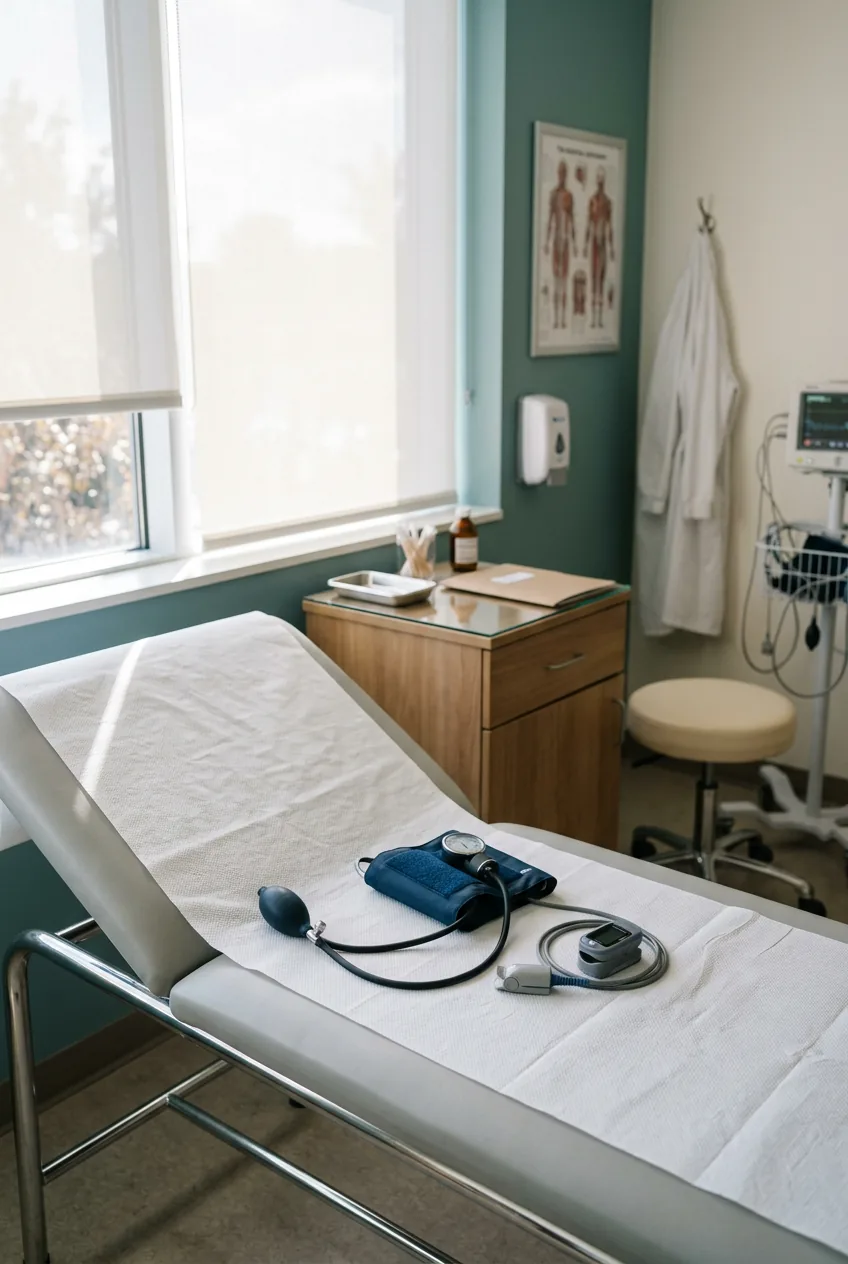
Most patients are seen at a pre-operative assessment clinic some weeks before surgery. This is where your medical history, medication, previous anaesthetics and any family history of anaesthetic problems are reviewed, and where blood tests, a heart tracing or other investigations are arranged if they are needed. It is much better to raise concerns here than on the morning of your operation, when there is far less time to act on them.
Fasting exists for a specific reason. Anaesthesia relaxes the reflexes that normally stop stomach contents from entering the lungs, so an empty stomach makes that far less likely. Current UK guidance is no solid food for six hours before your operation, but clear fluids (water, black tea or coffee without milk, or squash without bits) are usually encouraged until two hours beforehand. Arriving properly hydrated genuinely helps: you feel better, your blood pressure is more stable, and headaches and sickness are less common. Always follow the specific instructions given by your hospital, as they occasionally differ.
Medication needs individual advice. Most regular medicines should be taken as normal with a sip of water, but there are important exceptions: blood thinners, some diabetes medications including the newer weight-loss drugs, and certain blood pressure tablets may need to be stopped or adjusted at specific intervals beforehand. Never stop a prescribed medicine on your own initiative; ask at your pre-operative assessment.
Stopping smoking helps more than most people expect, and it helps quickly. Even a few days without smoking improves the oxygen-carrying capacity of your blood, and several weeks meaningfully reduces the risk of chest complications and improves wound healing. Cutting down alcohol in the weeks beforehand reduces bleeding risk and helps your liver process anaesthetic drugs normally.
Practical matters on the day: bring your regular medicines in their boxes, wear loose comfortable clothing, and leave jewellery and valuables at home. Remove nail varnish from at least one hand so that the oxygen probe reads accurately. Arrange for a responsible adult to take you home and stay with you for the first twenty-four hours if you are having a day-case procedure. You must not drive, operate machinery, drink alcohol or sign anything legally binding during that period.
Guidance & Further Reading
Trusted UK sources this guide draws on. Each one opens in a new tab.
Who Looks After You
In Context
Where This Happens


At a Glance
Key Points
Pre-Operative Assessment
Your history, medication and previous anaesthetics reviewed weeks ahead, with tests arranged if needed.
Six Hours for Food
No solid food for six hours before surgery, because the reflexes that protect your lungs are relaxed by anaesthesia.
Two Hours for Clear Fluids
Clear fluids are usually encouraged until two hours beforehand. Hydration helps you feel better afterwards.
Medication Advice Is Individual
Blood thinners, diabetes medicines and some blood pressure tablets may need adjusting. Never stop them yourself.
Stopping Smoking Helps Fast
Even a few days without smoking improves oxygen carriage; weeks reduce chest and wound complications.
Arrange Your Escort
Day-case patients need a responsible adult to take them home and stay for the first twenty-four hours.
This Is General Information
Everything here follows current national guidance, but it cannot account for your own health or your particular operation. Always discuss your anaesthetic with the team looking after you.