Being Fully Asleep for Surgery
General Anaesthesia
A general anaesthetic puts you into a state of controlled unconsciousness so that you are completely unaware of your operation and feel no pain during it.
It is not the same as sleep. Under a general anaesthetic your brain does not respond to pain signals or surgical stimulation at all, and the depth of that state is measured and adjusted continuously throughout your operation rather than being set once at the start.
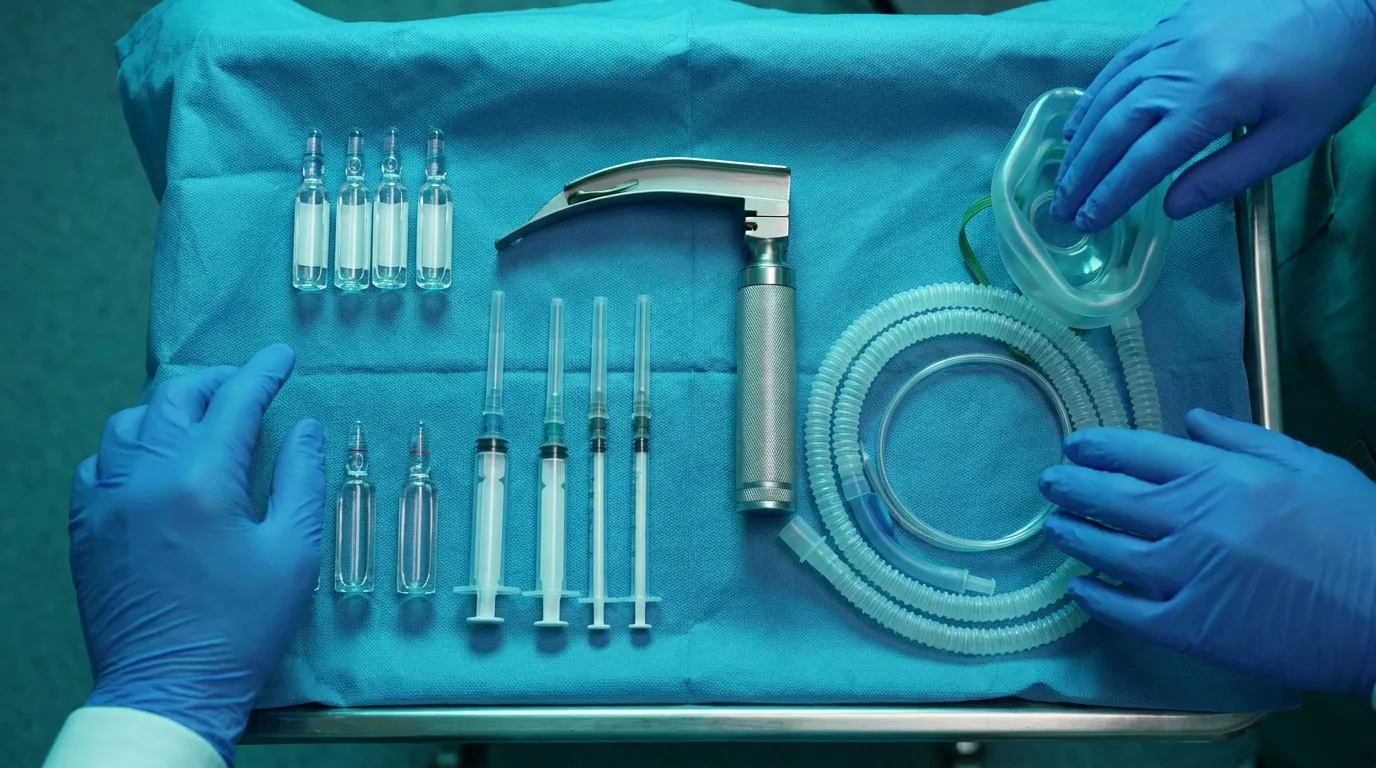
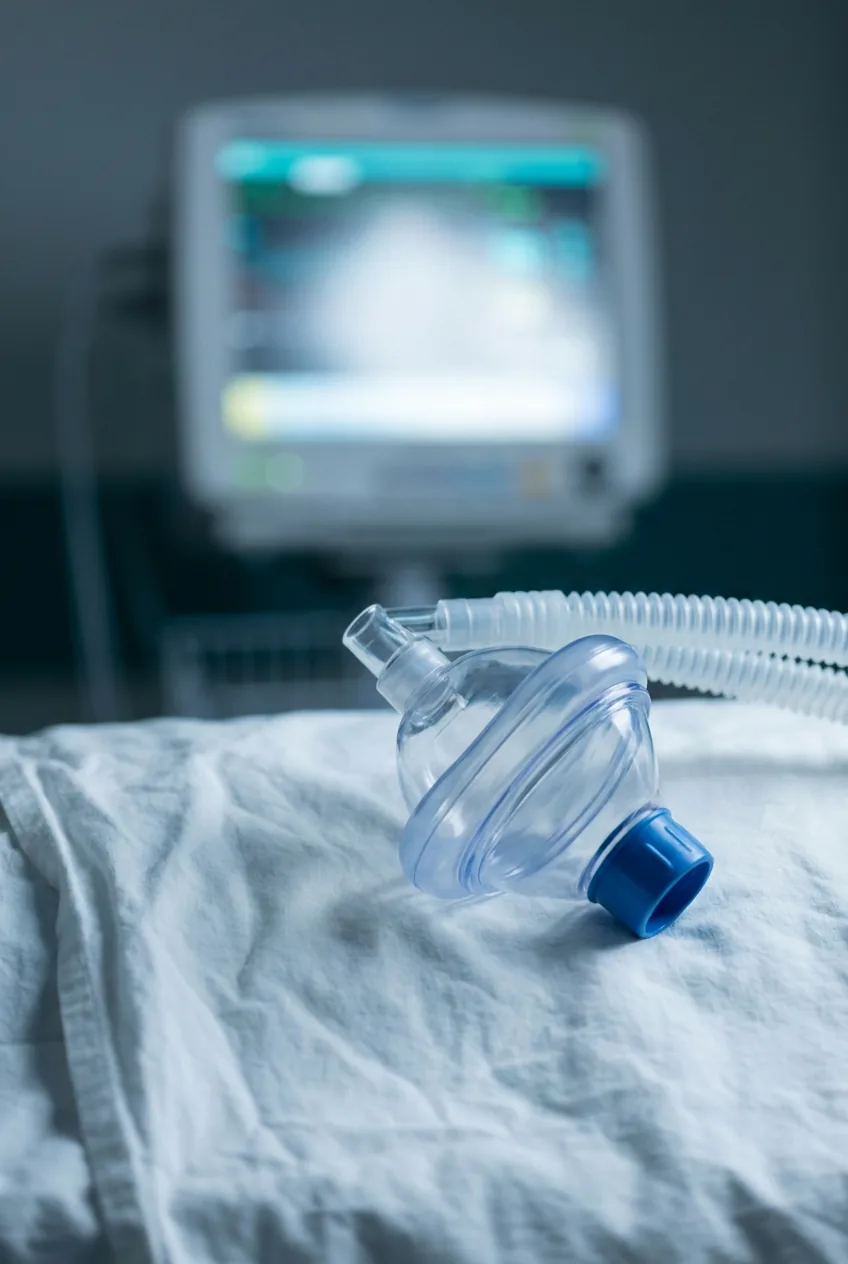
Most general anaesthetics begin with an injection through a small plastic tube, called a cannula, placed in the back of your hand or arm. You will usually be asked to breathe oxygen through a soft mask beforehand. People typically describe the last few seconds as feeling pleasantly light-headed, and the whole thing takes under a minute. Occasionally, particularly for children, or if veins are difficult, anaesthesia is started by breathing an anaesthetic gas instead.
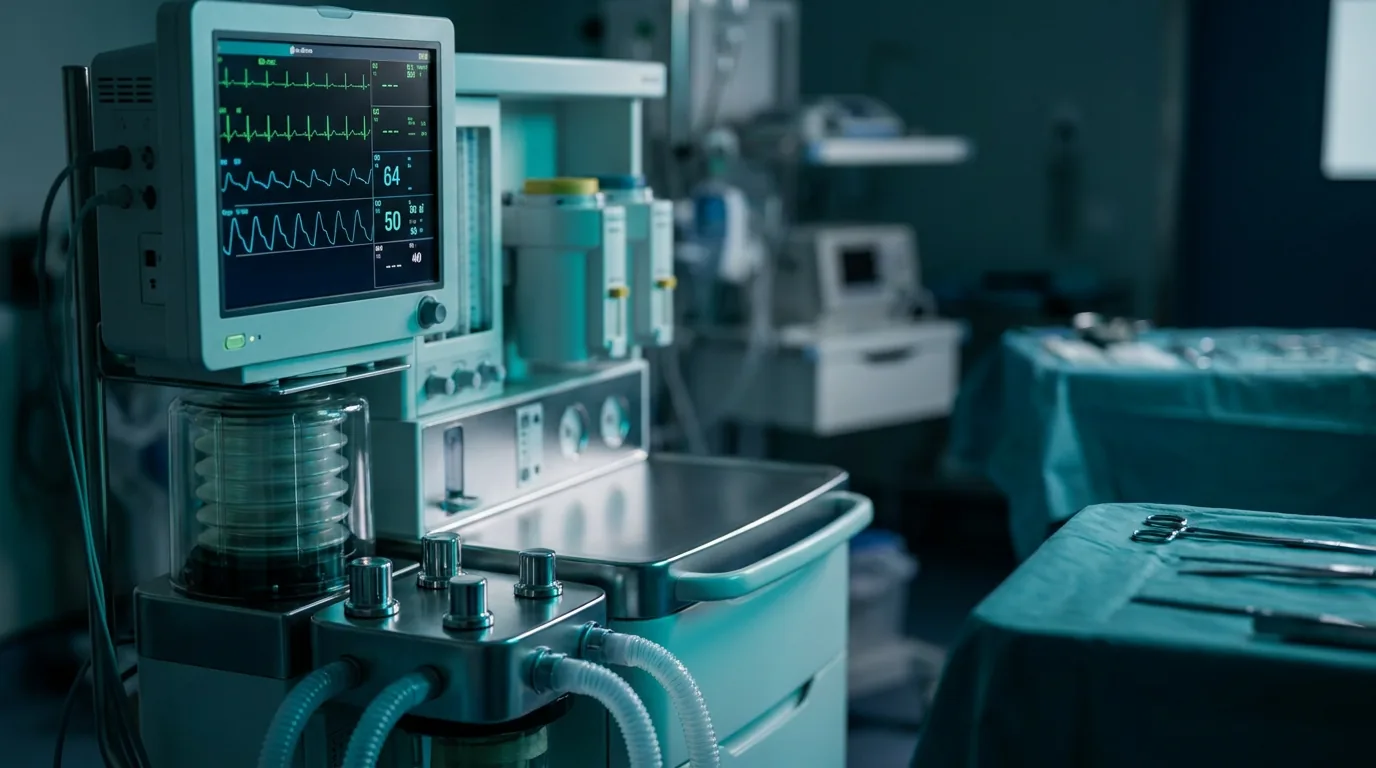
While you are anaesthetised, an anaesthetic team stays with you for the entire operation. Your heart rhythm, blood pressure, oxygen levels, carbon dioxide, temperature and depth of anaesthesia are all monitored continuously. Your breathing is supported, either through a soft device that sits at the back of the throat or a tube placed into the windpipe, and drugs are adjusted minute by minute in response to what your body is doing.
Waking up happens either in the recovery room or operation theatre. Most people come round feeling drowsy and a little disorientated for a few minutes, with no memory of anything between going off to sleep and waking up. A recovery nurse stays with you until you are comfortable, breathing well and settled enough to return to the ward or day-case unit.
On risk: modern general anaesthesia in the UK is very safe. Temporary effects such as sickness, a sore throat, shivering or drowsiness are common and settle within a day or so. Serious complications are rare, and death caused directly by anaesthesia is rarer still. Your own risk depends far more on your general health, your age and the operation itself than on the anaesthetic drugs, which is precisely what your pre-operative assessment exists to work out.
Guidance & Further Reading
Trusted UK sources this guide draws on. Each one opens in a new tab.
Who Looks After You
In Context
Where This Happens


At a Glance
Key Points
Continuous Monitoring
Heart rhythm, blood pressure, oxygen, carbon dioxide, temperature and anaesthetic depth are tracked throughout.
Your Anaesthetic Team, Present Throughout
You are never left unattended. A member of your anaesthetic team stays with you for the whole operation.
Airway Support
Your breathing is supported with a soft airway device or a breathing tube, depending on the surgery.
Awareness Is Rare
Accidental awareness under general anaesthesia occurs in roughly one in nineteen thousand cases.
Common After-Effects
Sickness, sore throat, shivering and drowsiness are the usual temporary effects, and are treatable.
Tailored Drug Choice
Drugs and doses are chosen for your weight, age, medical history and the length of your operation.
This Is General Information
Everything here follows current national guidance, but it cannot account for your own health or your particular operation. Always discuss your anaesthetic with the team looking after you.